Guide · 3 days
Porto in 3 days
An itinerary written by someone who walks the city with time, attention, and room to observe.
An itinerary written by someone who walks the city with time, attention, and room to observe.
Porto is not a city to be visited - it's a city to be walked. More than a list of monuments, this guide is about pace: balancing the essential sights with the pauses where the city really reveals itself.
Granite, scale, terrain. It's in the repetition of these three things that Porto sets itself apart from any other Portuguese city.
In three days you can grasp the essential, if you know where to stop.
Start at Avenida dos Aliados, the city's civic centre. Take in the buildings - there's a consistency of scale and material that defines Porto right from the start.
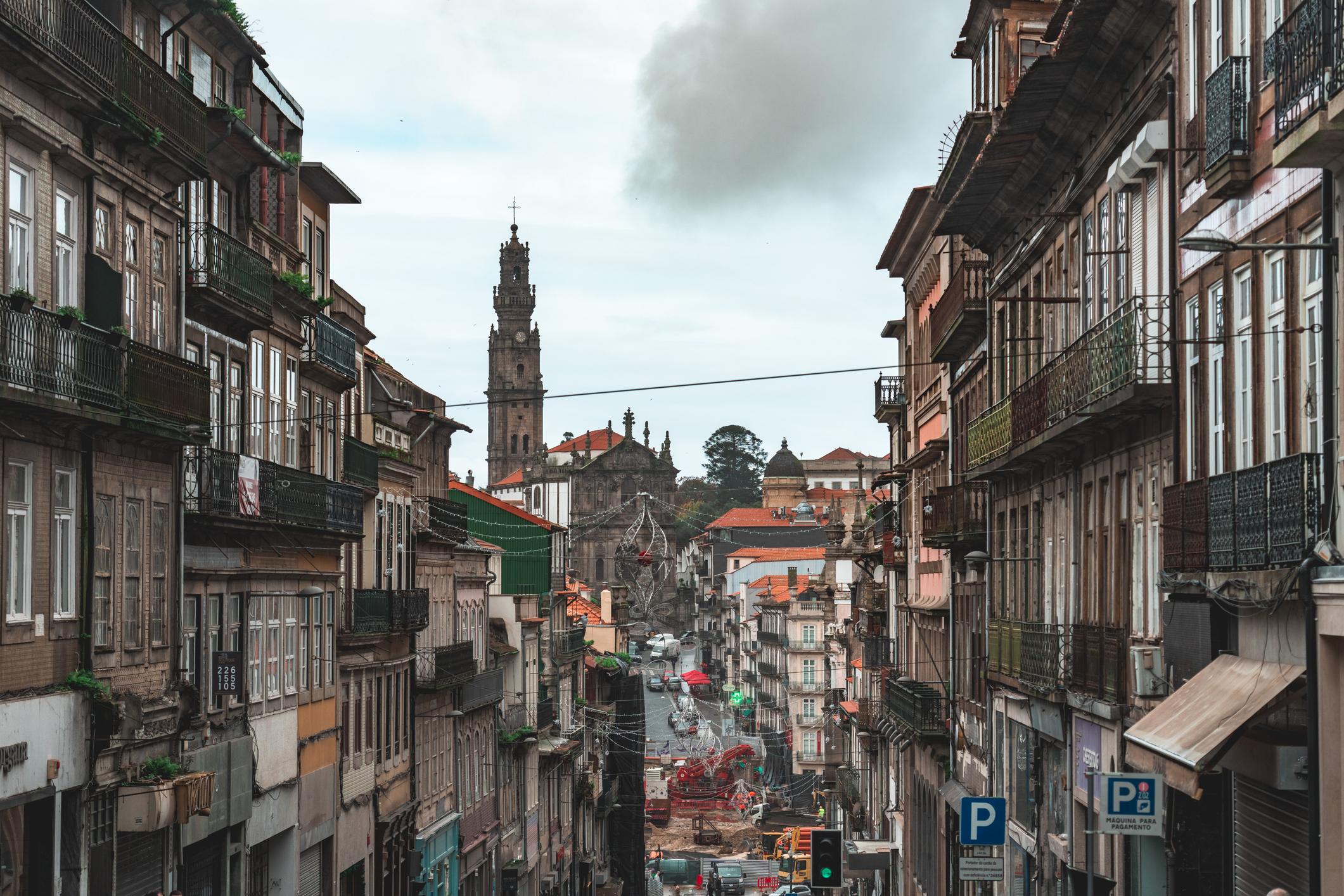
Walk on towards the Torre dos Clérigos. If you want to climb it, go early. The visit takes about 20 to 30 minutes and you avoid the longer queues.
From here, head into the narrower streets. Don't stick to the marked spots. Most visitors never go up into the streets just above the Ribeira. They are five minutes on foot.
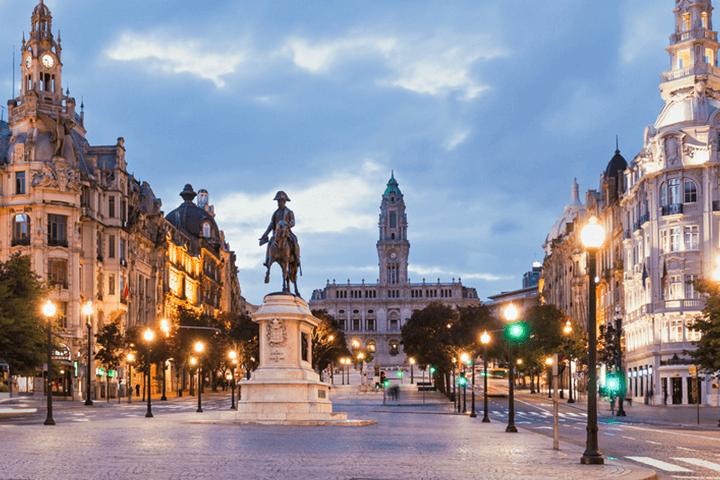
The Aliados is not just a square. It is the point where the city orders itself. The surrounding buildings share scale and rhythm: dressed stone, cornices aligned and answering each other from one side to the other. I always stop here for a few minutes when I bring someone to Porto for the first time. It is the best place to understand the city before heading into the streets.
In the late afternoon, when the movement slows, the square is a good place to sit and do nothing for ten minutes.
You can stop at the Livraria Lello, but expect a queue. If it's too packed, move on - there are better ways to spend your time.
Avoid overly touristy restaurants at this stage. Walk two or three streets away from the main drag. The quality jump is significant, and the atmosphere changes too.
Look for small places, a short menu on a board, tables close together. Where you hear Portuguese being spoken around you. That's the best sign.
The tower is always there on the horizon, on almost any street you take. It works as a reference point even when you’re lost.
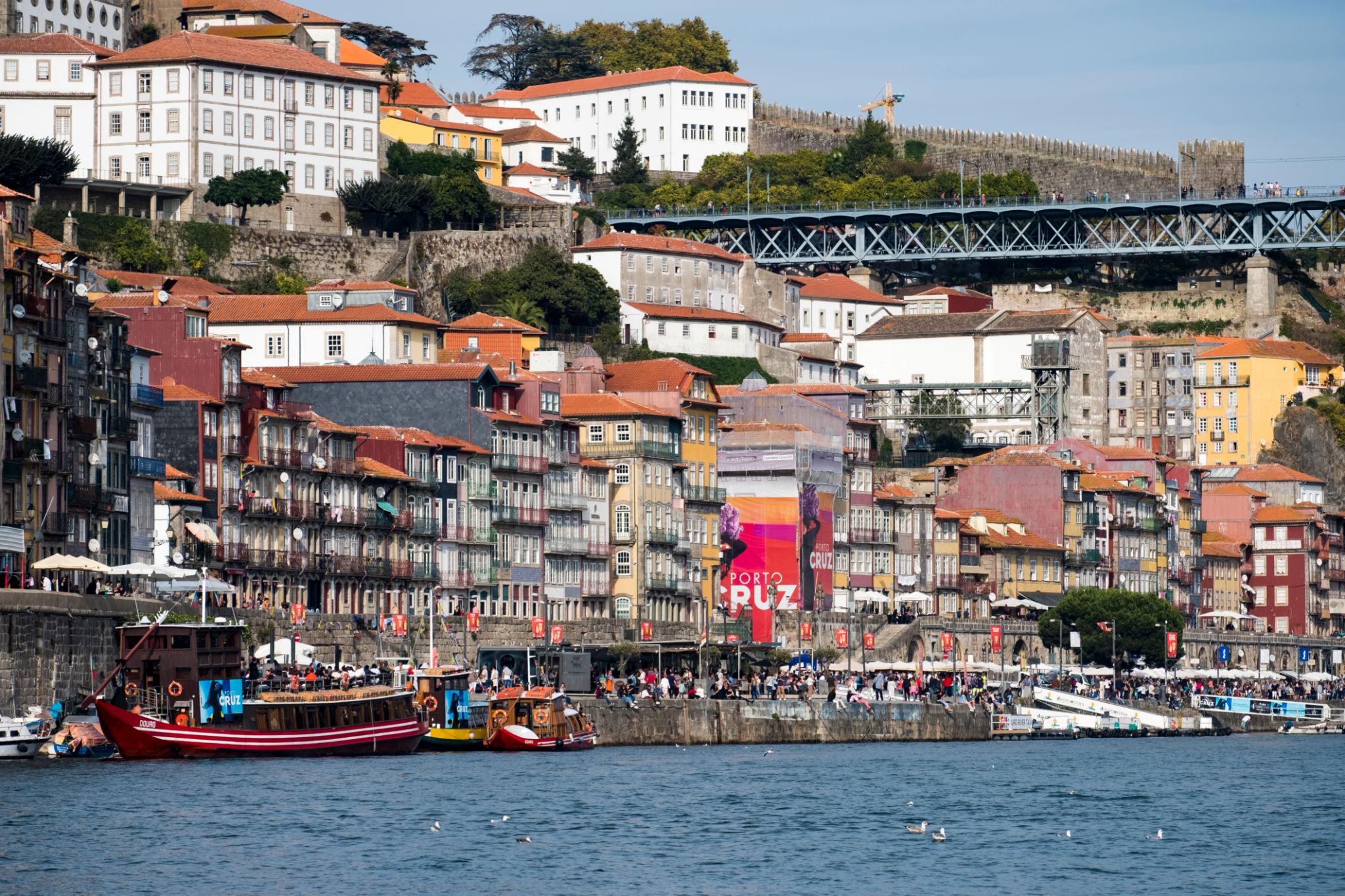
Walk down to the Ribeira (15 to 20 minutes). The descent is steps, steep streets and old archways. You start to smell the river before you see it. It's one of the city's most iconic spots, and one of the busiest.
Worth it, but do not just stay on the waterfront. Most visitors never go up into the streets just above. It is five minutes on foot and the atmosphere changes completely.
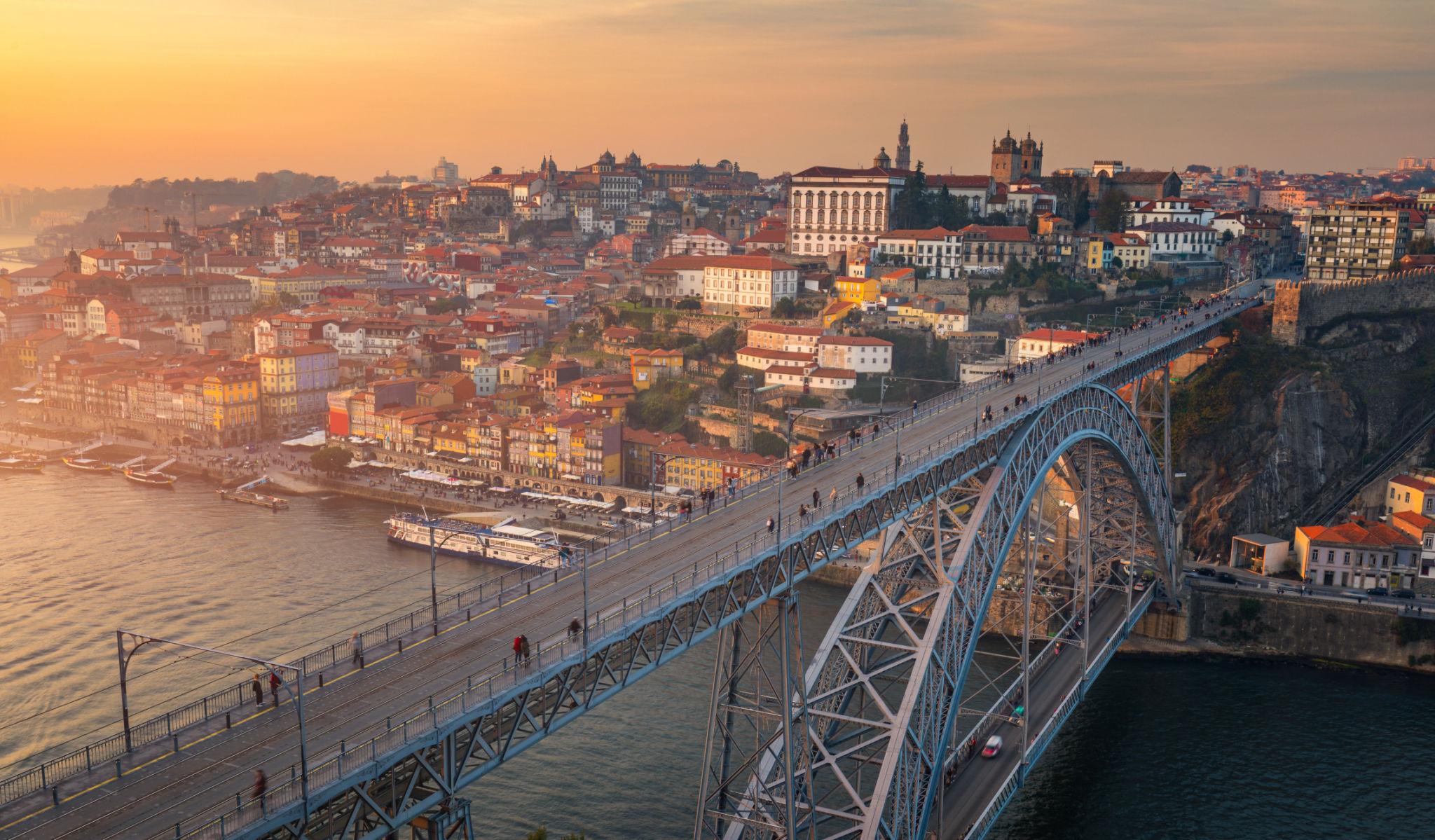
Head towards the Ponte Dom Luís I and cross on the upper deck. The metal structure by Théophile Seyrig, a disciple of Eiffel, is one of the most striking moments in the city.
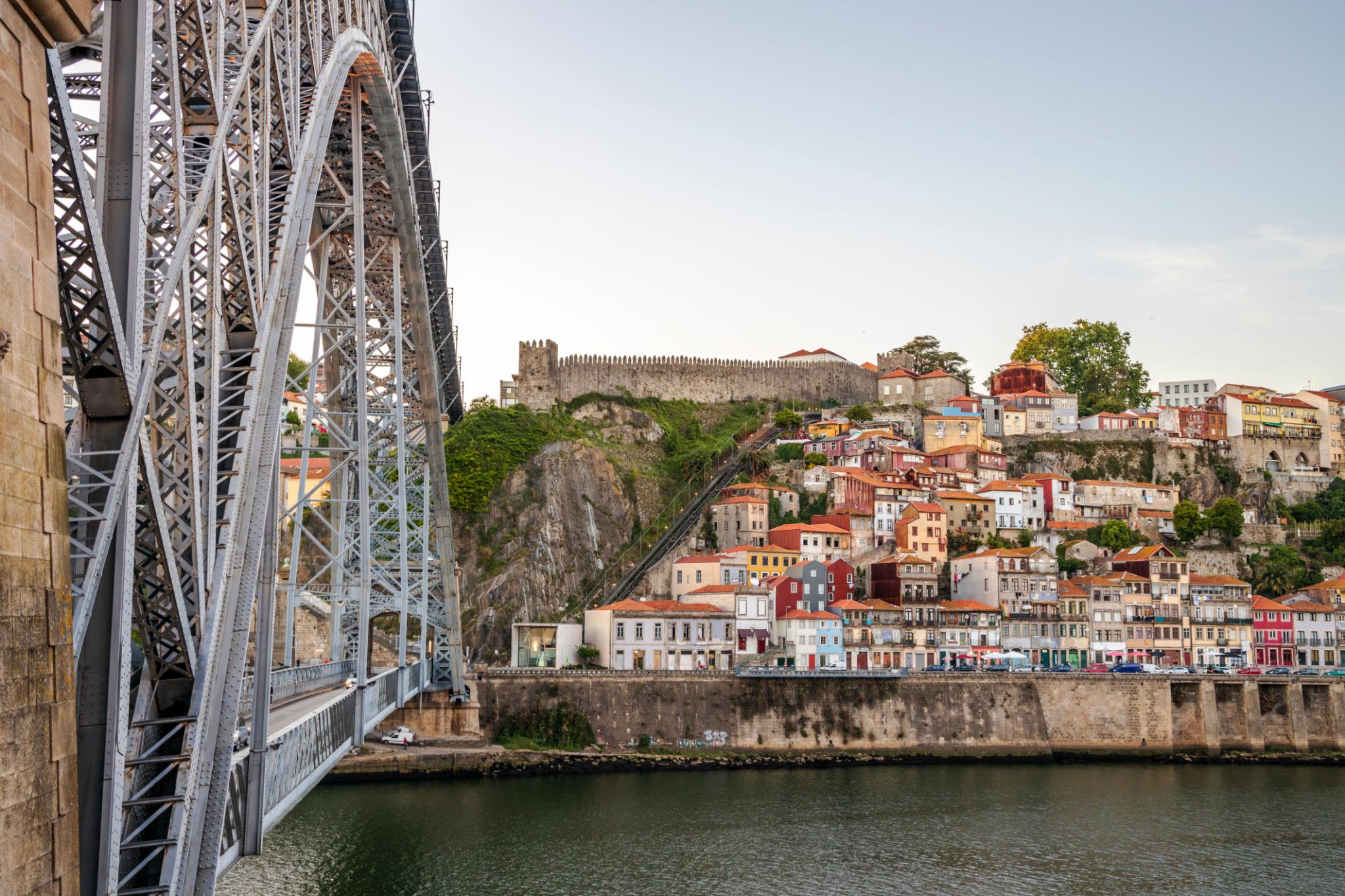
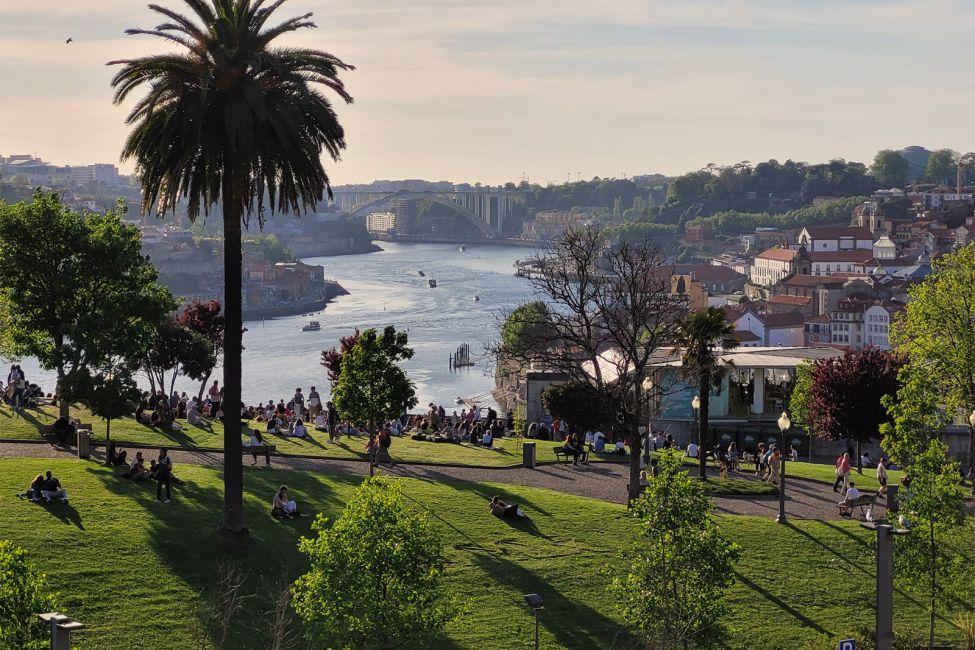
Once across, climb up to the Jardim do Morro. This is one of the best spots to watch sunset over Porto - the city lines up in front of you across the river, with the Sé and Clérigos cut against the sky.
Take your time. It is not a five-minute photo stop. Stay until sunset if you can. It is one of the best spots in the city for it.
Afterwards, head down into Gaia for dinner by the river.
Take an Uber or bus to Serralves. The complex includes the Casa Serralves, the Museum of Contemporary Art designed by Siza Vieira and an integrated park. It is essential to understanding the city's contemporary culture.
Allow time. It's not a quick visit.
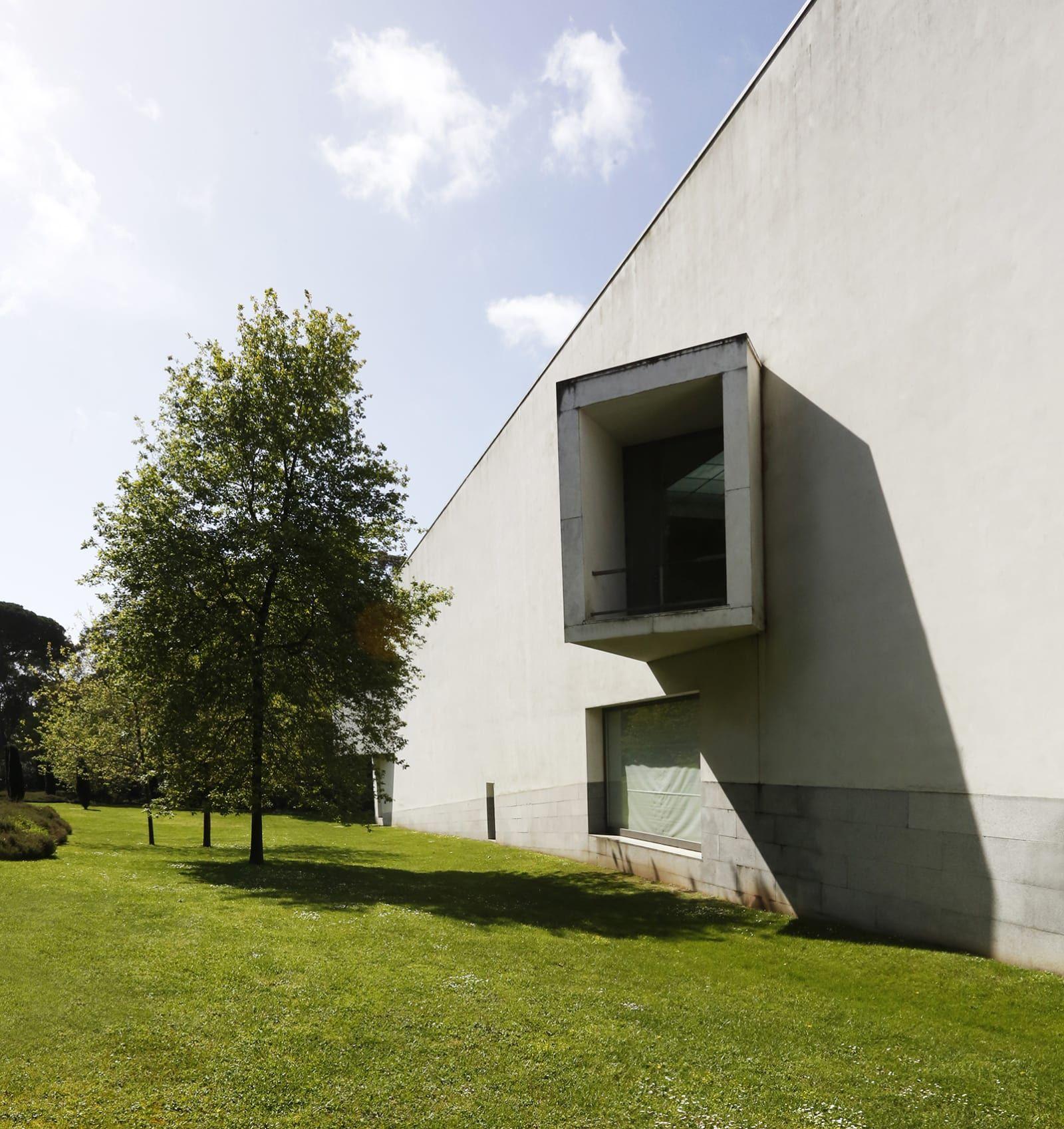
Siza Vieira’s museum doesn’t impose itself. It invites. The white rooms, the calibrated ceiling heights, the way natural light enters through the zenithal skylights. It's architecture that rewards anyone who walks slowly and looks twice.
Set aside time for the park too: the pink Art Déco house, the vegetable garden, the lake, the paths under the trees. It's one of the finest examples of designed landscape in the country.
You can have lunch at Serralves itself or move on to Foz.
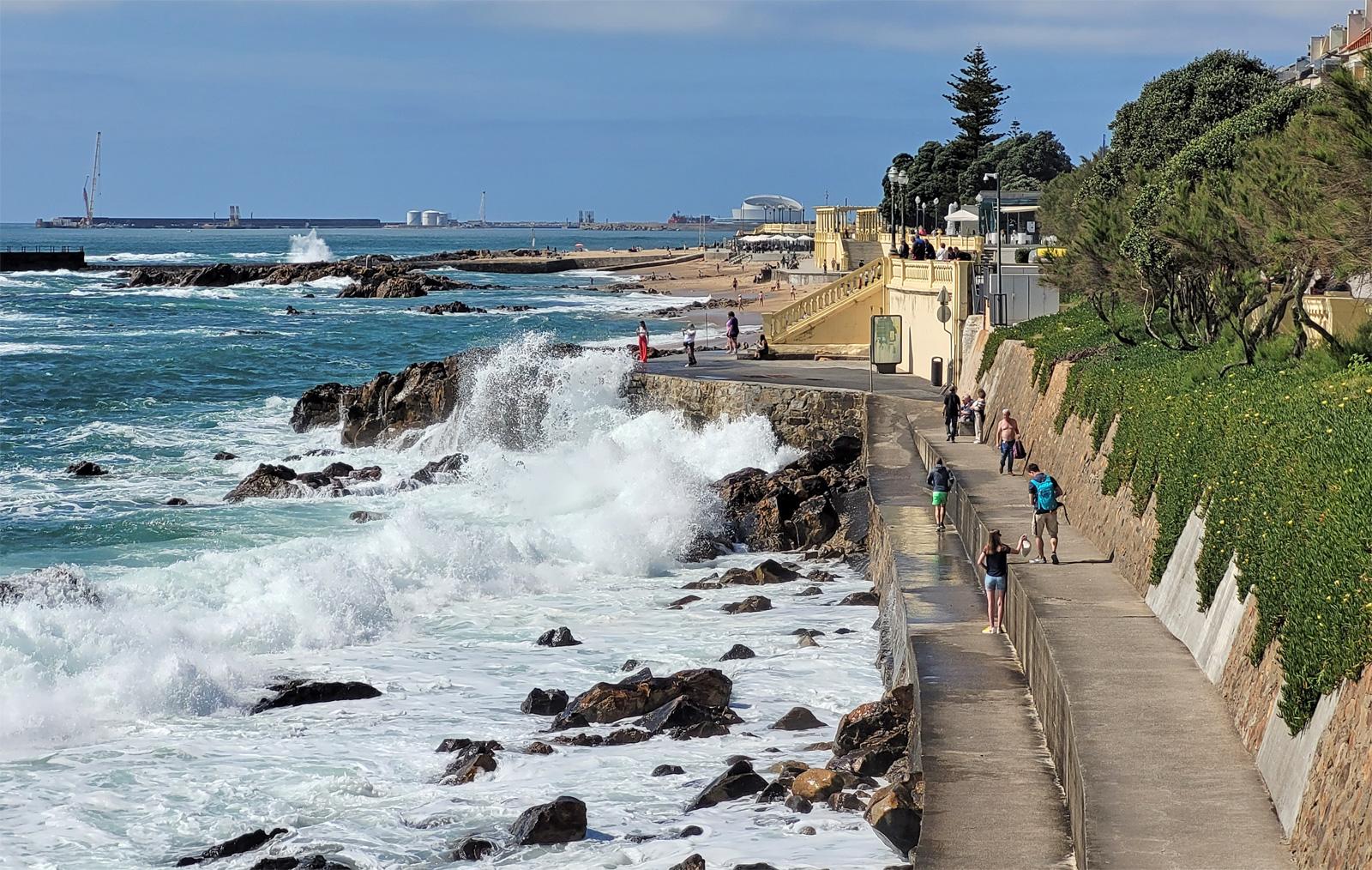
Head to the Foz do Douro, where the river meets the Atlantic. Many visitors never make it here. They stop at Serralves and head back to the centre. That is a mistake. The river meeting the sea, the gardens between the rocks, the terraces facing the Atlantic. It is worth the trip. Guests at StudioNest can get there by taxi in twenty minutes. Those staying in Matosinhos are even closer.
The air changes. The sound of waves replaces the traffic, the buildings drop in scale, gardens appear between the rocks. Walk the seafront without a destination.
Have dinner in Foz or head back to the centre.
Start at the Mercado do Bolhão. The recent restoration gave back its scale and rhythm - but the soul stayed the same. Go without rush, talk to the sellers.
Then head to Cedofeita. It is the most interesting street in contemporary Porto: small galleries, independent design shops, neighbourhood cafés where locals actually have lunch.
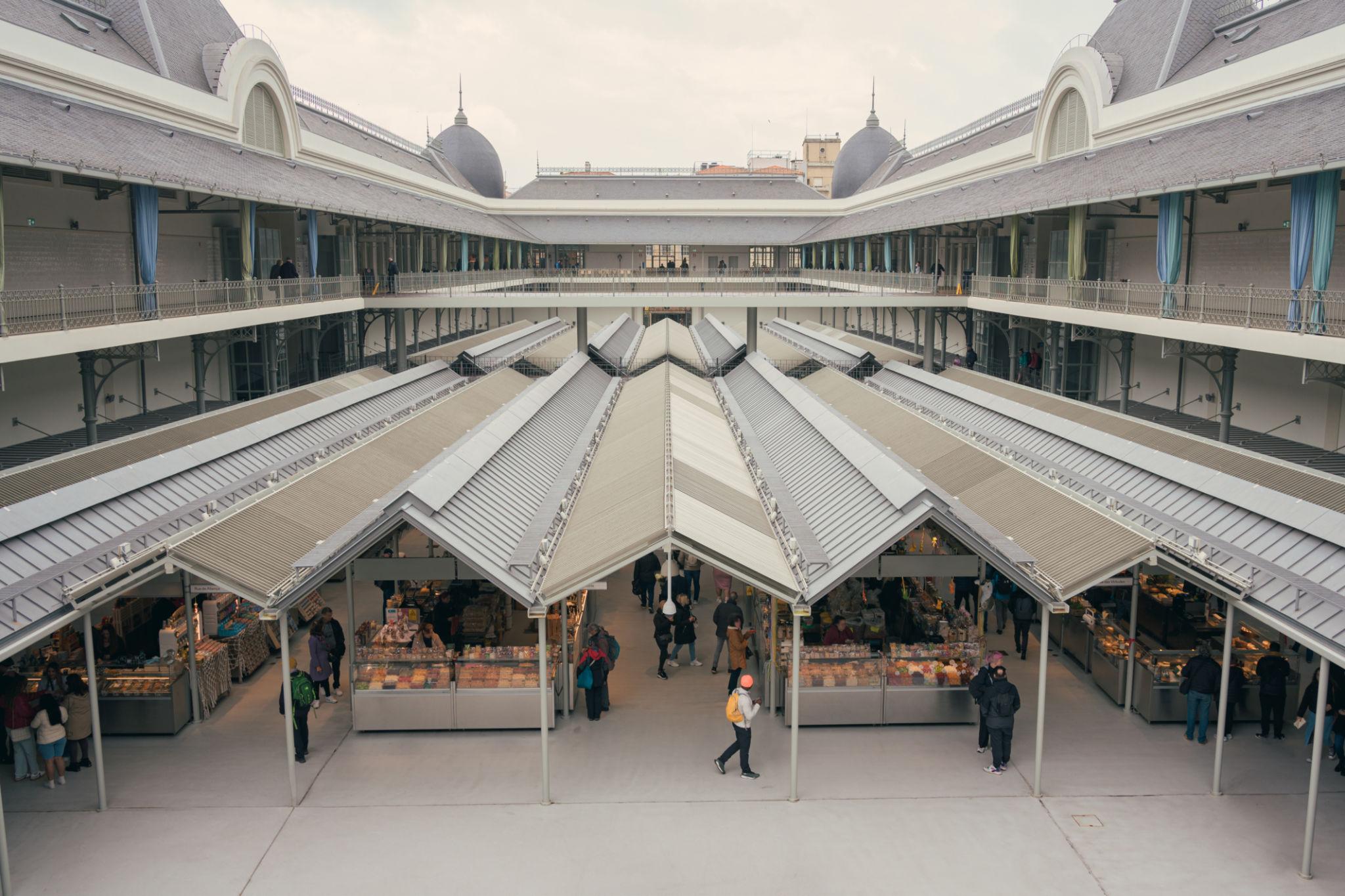
The market is perhaps the best example of what sets this city apart: the ability to evolve without turning into a stage set. The restoration brought back structure and light, but the soul stayed the same: the same families behind the stalls, the way the sellers speak, the rhythm of neighbourhood shopping.
It stays useful, it stays local. Few European cities can say the same of a central market.
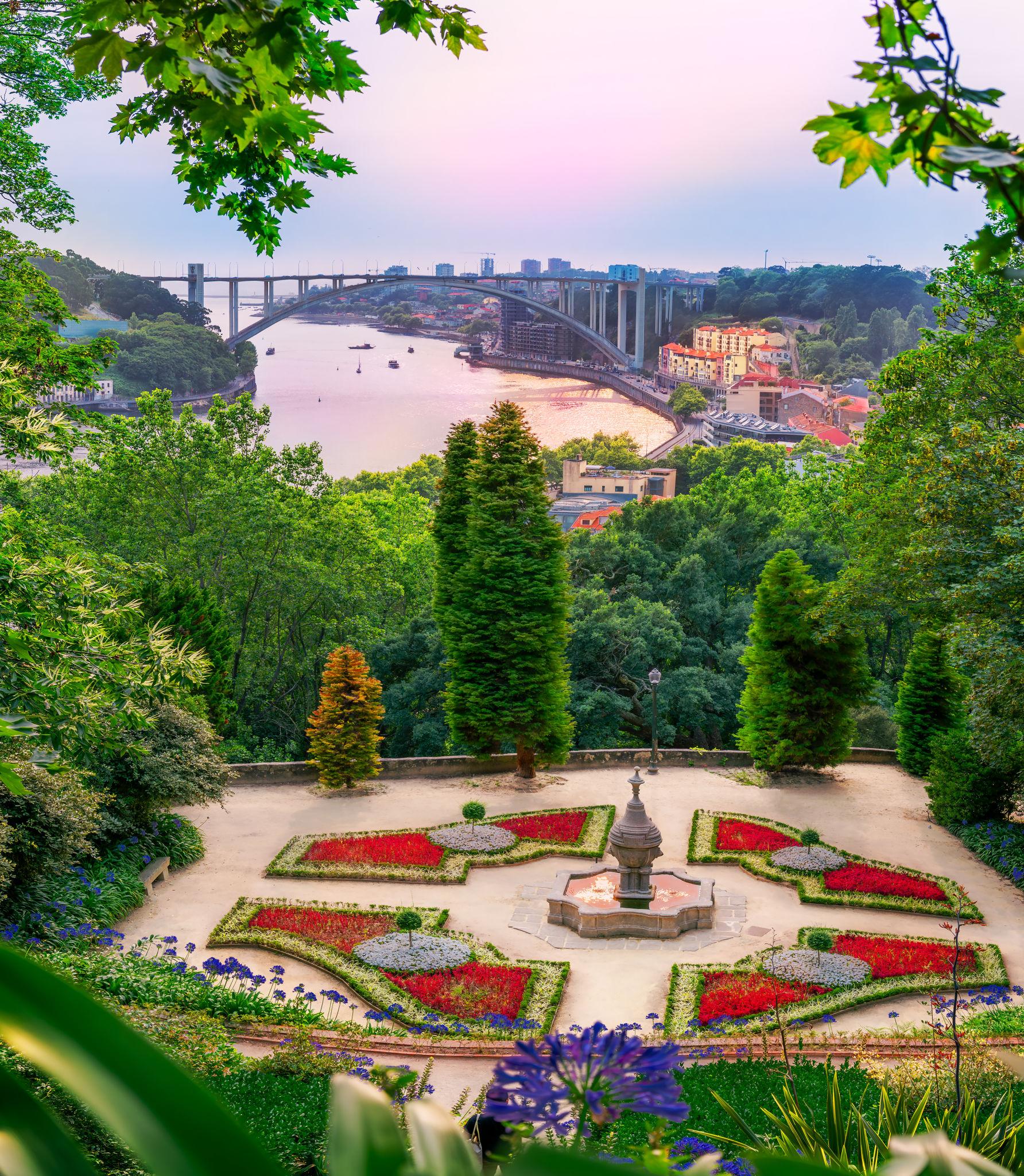
Go to the Jardins do Palácio de Cristal. The views over the Douro, the way vegetation and terrain interact, the small paths that drop down to less obvious viewpoints. For many, the most beautiful garden in the city.
There is always someone playing guitar in the shade, kids chasing the peacocks. It is one of the places I most recommend to guests who stay more than two days. Most do not make it here, and they always regret it.
Return to a place you liked on the first day, or simply walk without aim. That's how I learned the city.
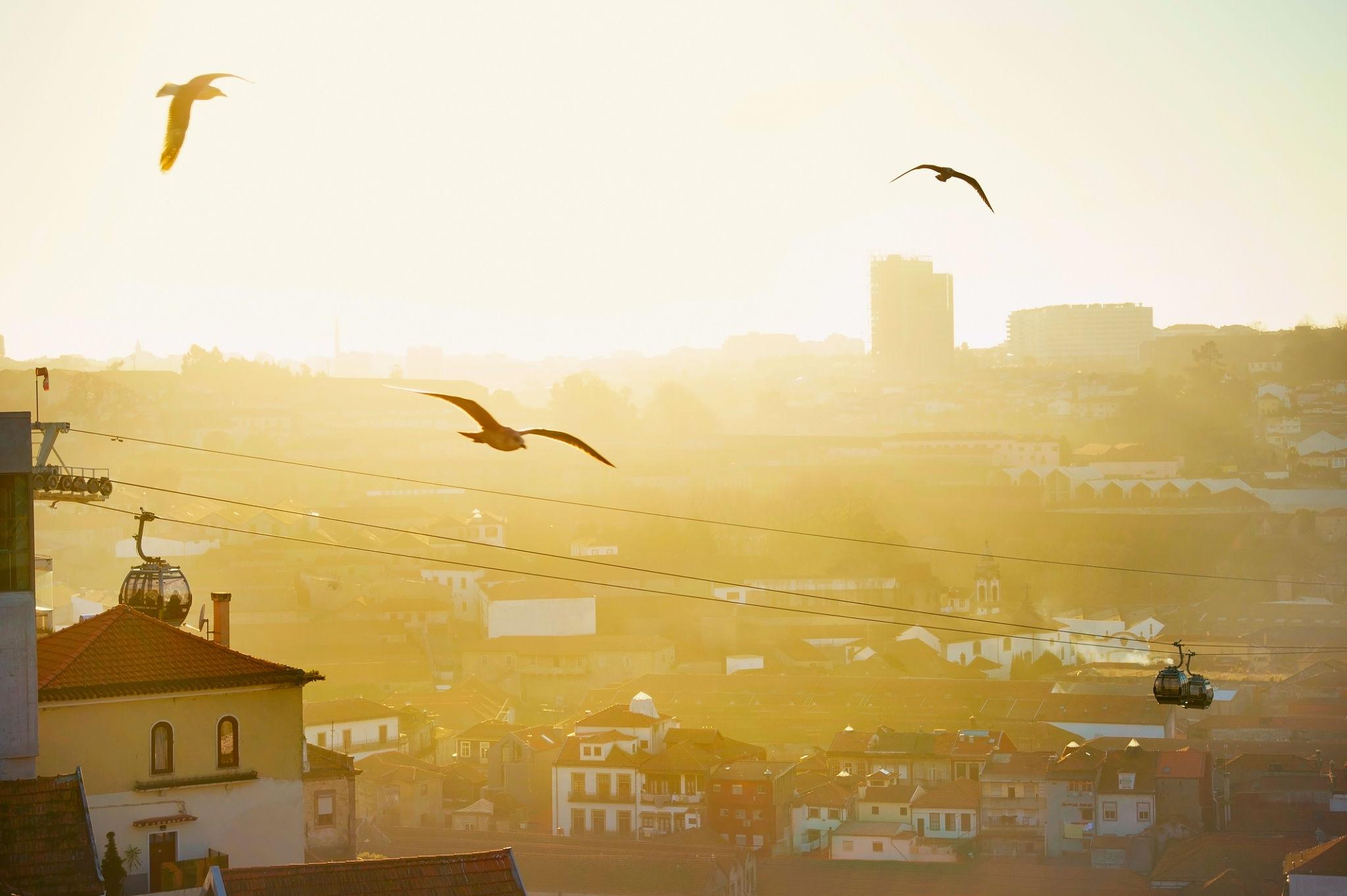
Porto is not reducible to monuments. It is a city that rewards anyone who walks slowly and is not in a hurry to get anywhere.
The city lives on its hills. You'll walk much more than you think.
Visit tourist spots before 10 am or late in the afternoon. It makes all the difference.
At the most sought-after places it is worth booking ahead, even for lunch.
For longer journeys (Serralves, Foz, airport).
Our homes in Gaia and Matosinhos. Direct booking, best price.
Explore homes in Porto & Gaia →