A curated selection of the buildings that make you stop and look twice. Concrete, light and stories told in the walls.
I'm an architect and Porto is home. I studied here, and for me the city is far more than its postcards: it's concrete, light and stories told in the walls.
I put together this guide with the buildings that make me stop and look twice. Not just the most famous. These are the ones that inspire me and define my Porto.
I invite you to step off the usual route and see the city through my eyes. Enjoy the walk.
Work I
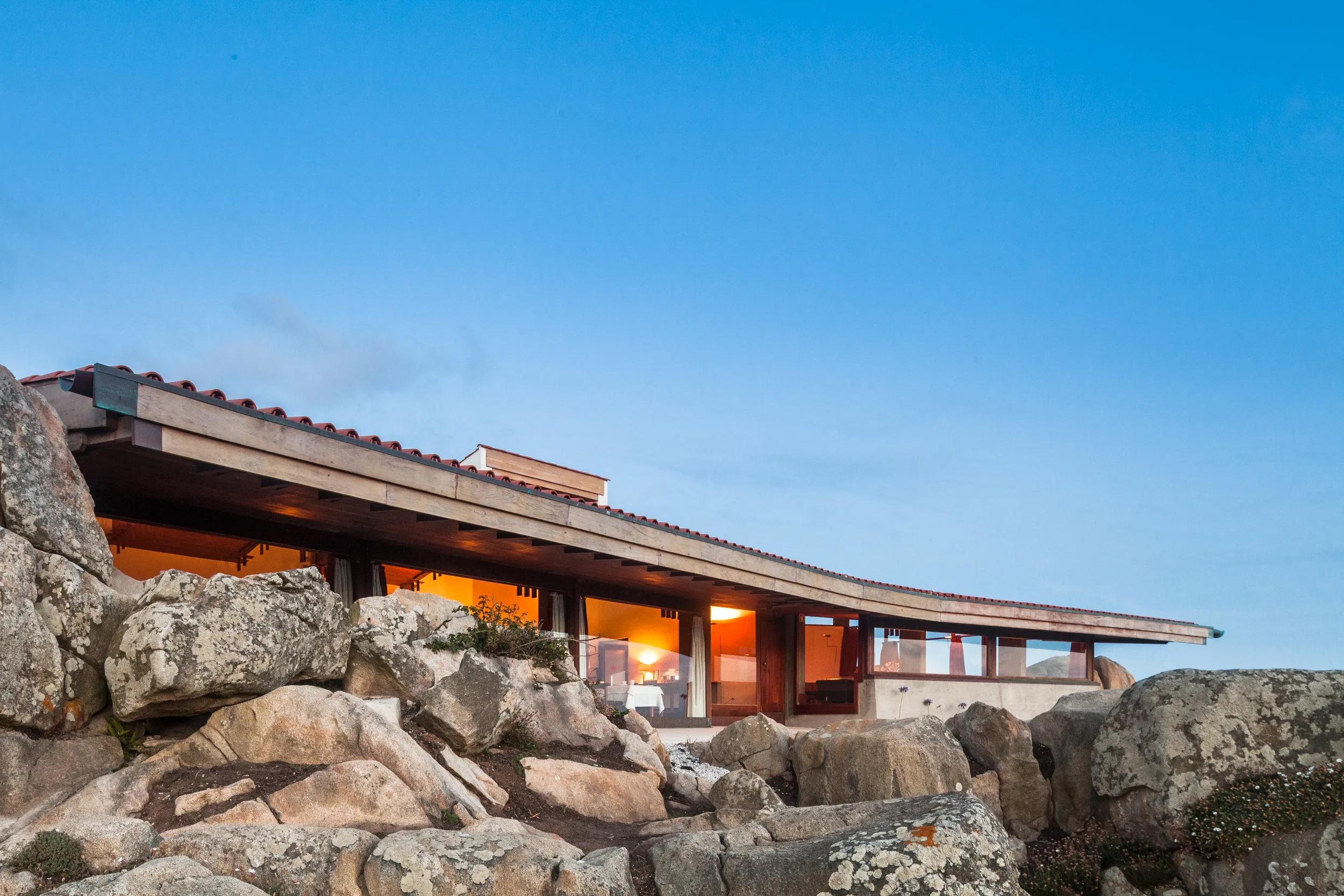
Casa de Chá da Boa Nova
Leça da Palmeira · Álvaro Siza Vieira
A sublime example of architecture in dialogue with nature. Álvaro Siza Vieira's building seems anchored to the rocks of Matosinhos. The approach is a choreography of platforms that prepare you for the view.
Inside, the atmosphere is singular. Going down the stairs you lose sight of the sea, only to find it again in full in the main rooms. The windows that slide inward are a masterful detail.
Visiting tip
By reservation (restaurant).
The house seems to grow from the rocks. More landscape than object.Work II
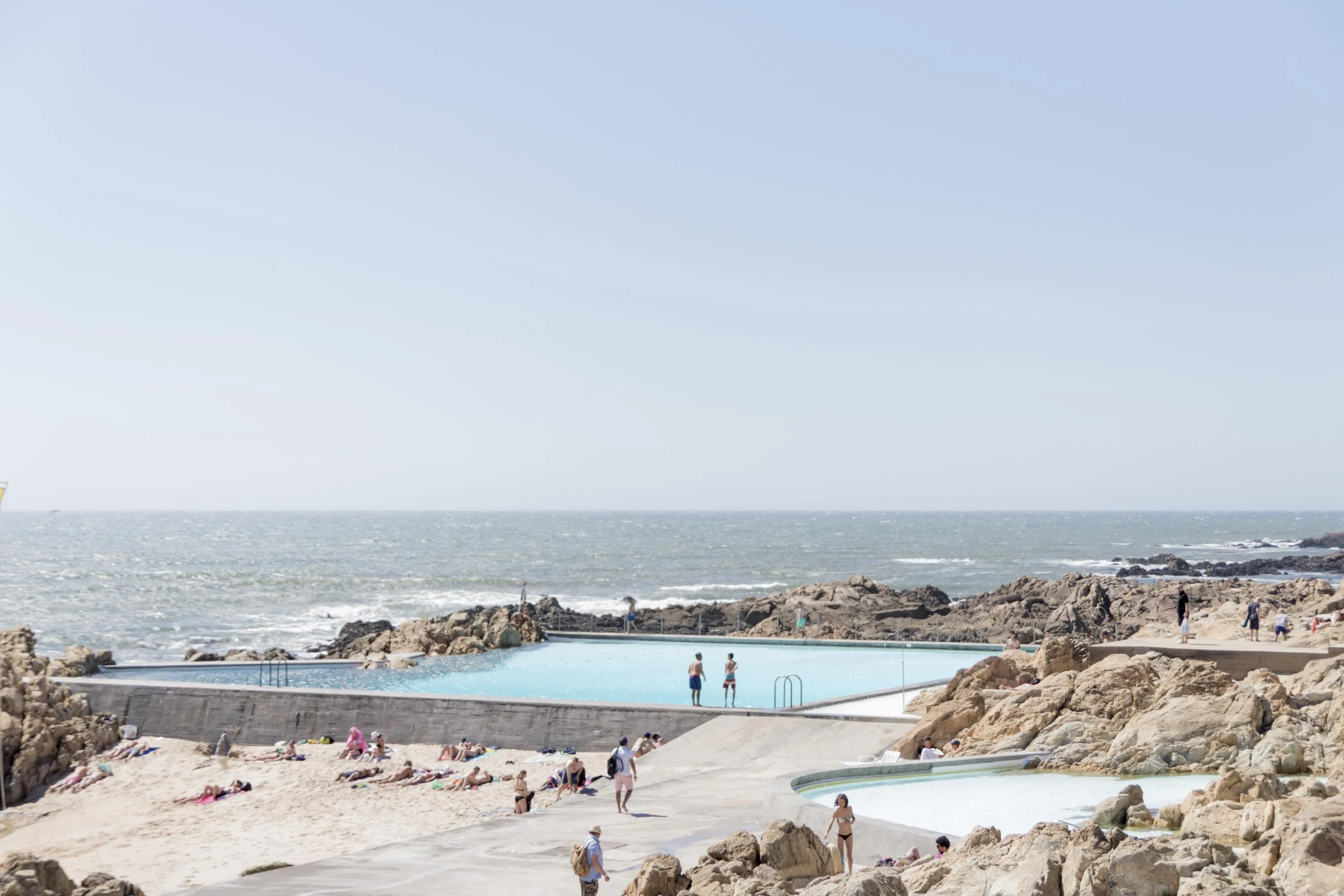
Piscina das Marés
Leça da Palmeira · Álvaro Siza Vieira
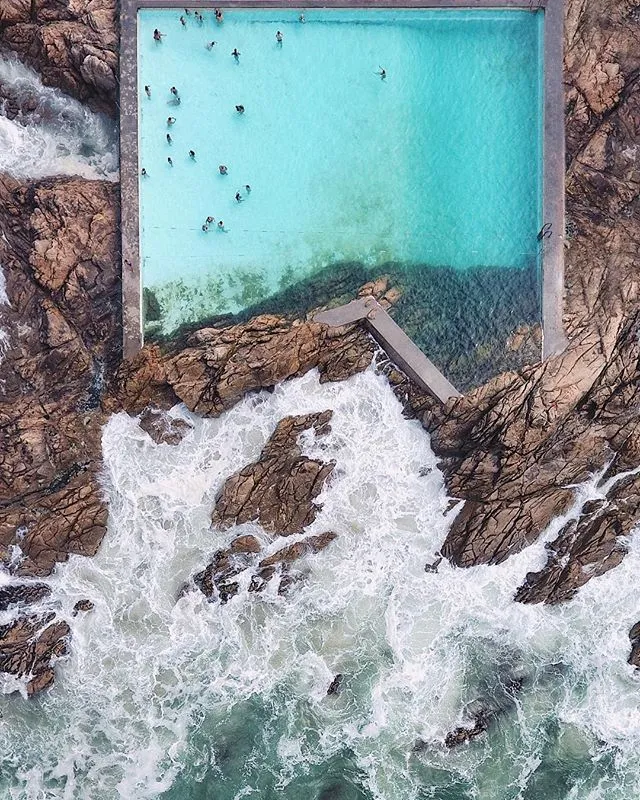
Here architecture merges with the rocks and the ocean. This work by Siza reveals his deep understanding of context. You walk down a ramp that takes you away from the road and closer to the beach, with high walls sheltering you from the wind. Only at the end, by the pools, is the horizon revealed.
I always notice the sharp angle of the café wall - a quiet nod to Frank Lloyd Wright. A brutalist, sensitive work, and a National Monument.
Visiting tip
Advance booking recommended.
Aerial view. The design of the pools negotiates with the coastline.Work III
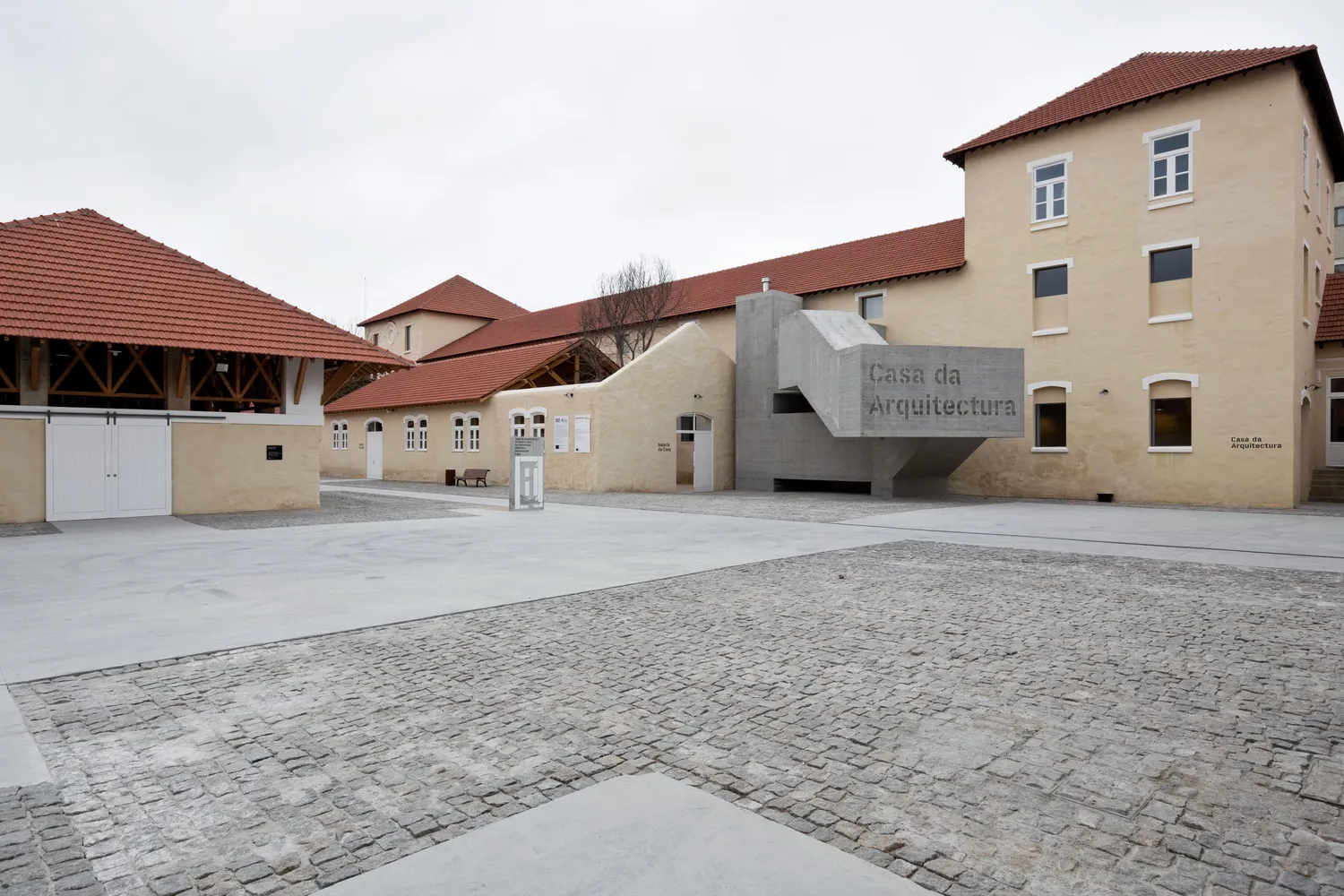
Casa da Arquitetura
Matosinhos · Guilherme Machado Vaz (renovation)
Stepping into the former Real Vinícola in Matosinhos, I'm struck by the contrast between the industrial past and the new life of the space. You enter through a robust concrete volume that leads you to a foyer full of architectural models - a delight for anyone who loves the creative process.
I always pay attention to the small circular openings in the concrete along the route. They're like lenses that reveal glimpses of the outside, keeping you connected to the scale of the place.
Visiting tip
Check current exhibitions on the official site.
The contemporary intervention negotiates with the industrial past without erasing it.Work IV
Terminal de Cruzeiros de Leixões
Matosinhos · Luís Pedro Silva
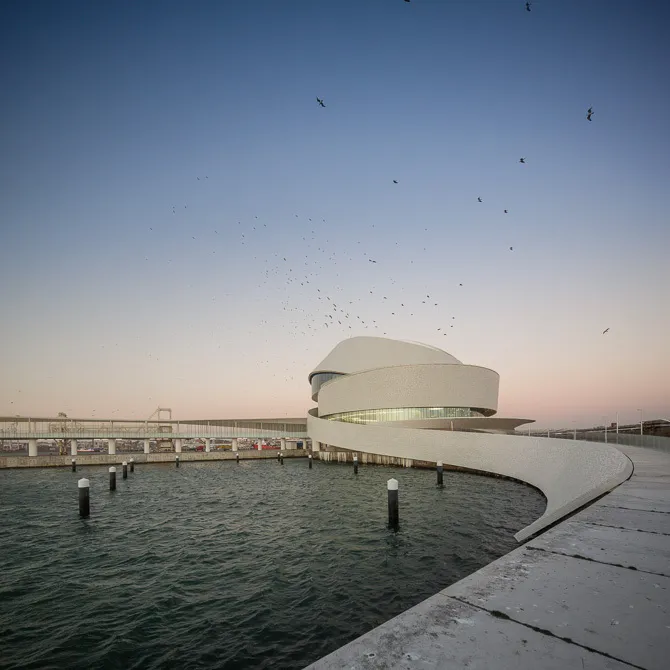
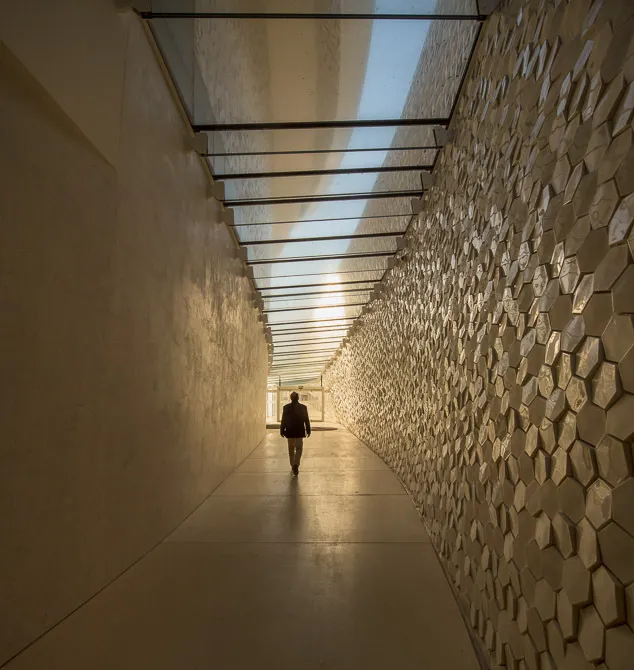
This terminal is an icon of the seafront. What fascinates me most is the ceramic cladding by Vista Alegre - it evokes the scales of a fish, and helps fight sea erosion.
The building is where three arms meet: one welcoming passengers from the sea, one running along the southern breakwater, and one linking to the city. On the ground floor, zenithal light is the protagonist, painting the interior gold at the end of the day.
Visiting tip
Guided tours on Sundays.
The spiral form arises from the meeting of three circulation arms.Ceramic scales by Vista Alegre. Function and ornament at the same time.Work V
Parque de Serralves
Porto · Art Déco House · Museum by Álvaro Siza Vieira
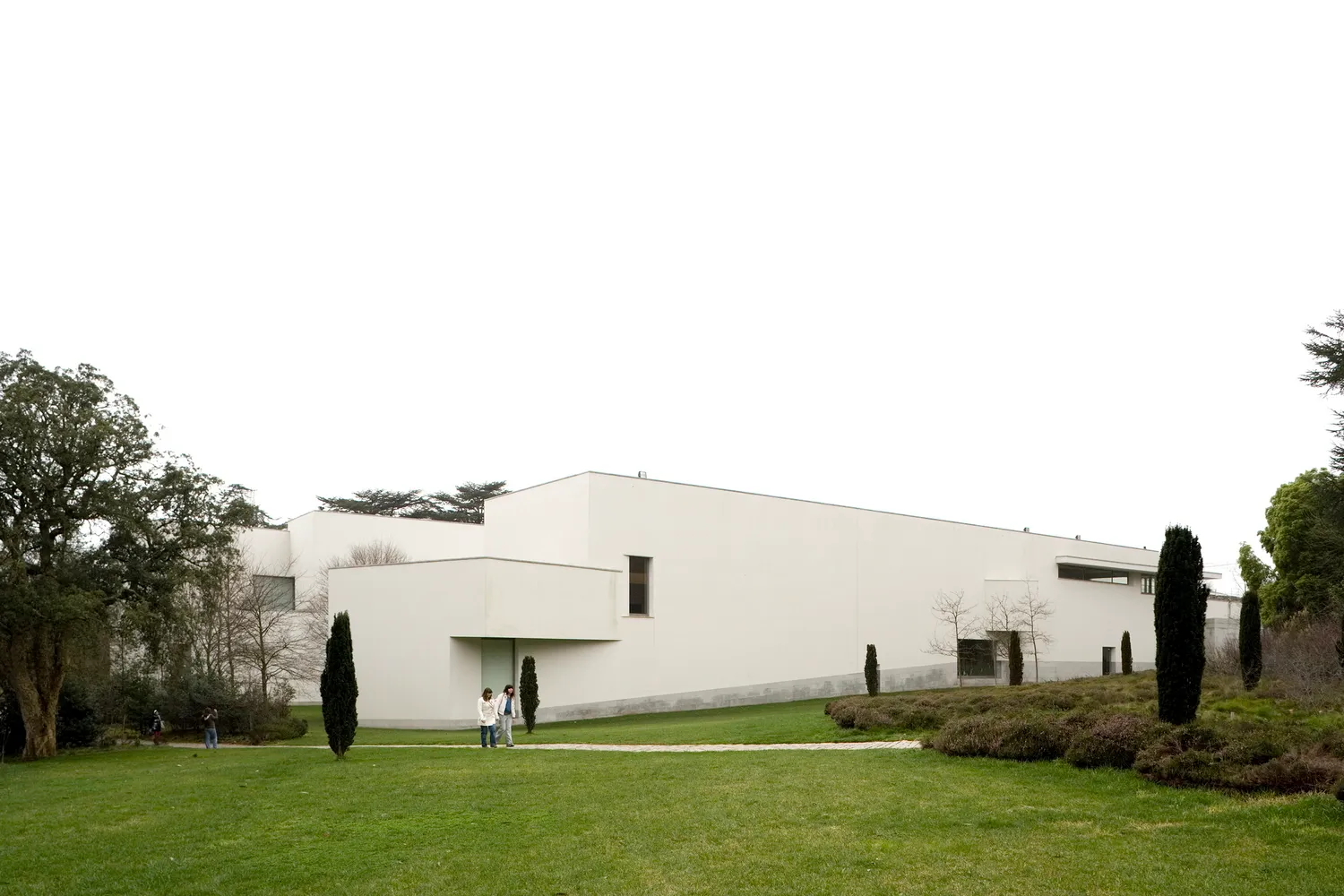
When I need to escape the bustle, this is my refuge. 18 hectares of dialogue between history and contemporary. It all starts at Casa de Serralves, an Art Déco gem, and extends into a formal garden that leads down to the river.
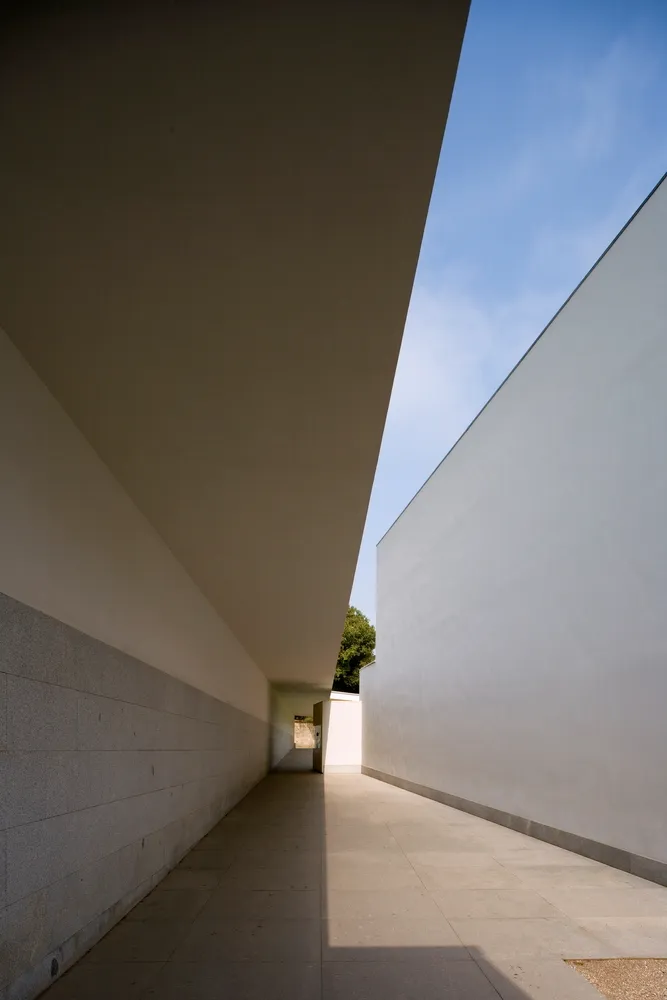
I like exploring the quieter corners like the rose garden. The Museum of Contemporary Art, designed by Siza Vieira, inserts itself here quietly - proof that contemporary architecture can live in harmony with the legacy of the past.
Visiting tip
Ticket required.
Approaching the museum. The walls guide the eye before releasing it.White volumes settled on the landscape. Siza at his most serene.Work VI
Casa da Música
Porto · Rem Koolhaas / OMA
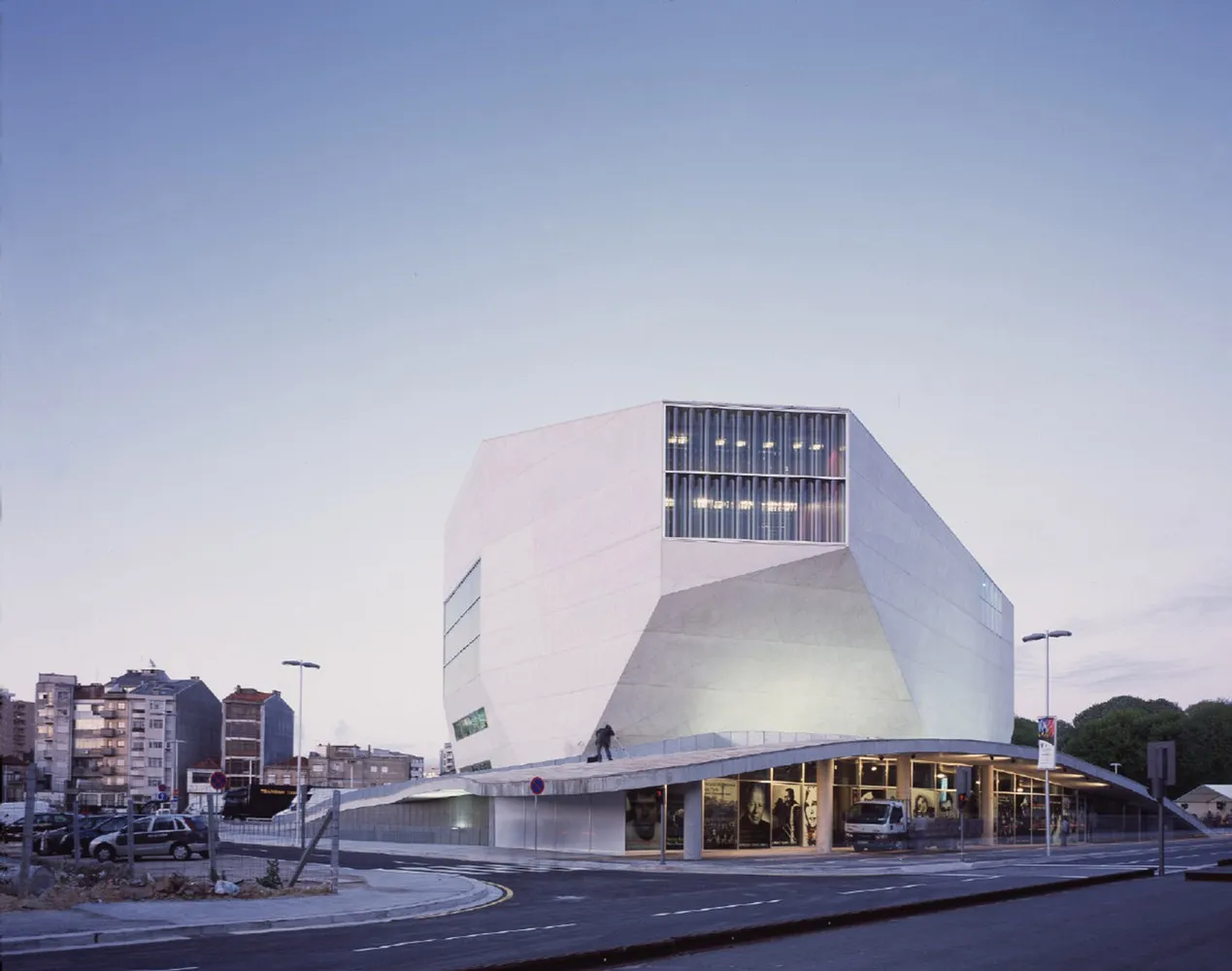
This building divides opinion - and for me, that's its beauty. Designed by Rem Koolhaas, it's a disruptive object. Many tourists look at it and aren't sure what to think, but the truth is that the building was designed to be lived. Everything gravitates around the acoustics.
It's an engine of urban revitalisation, just like Frank Gehry's Guggenheim in Bilbao. Don't stay outside - take a guided tour to see the inner workings of this building.
Visiting tip
Guided tour recommended for the interior.
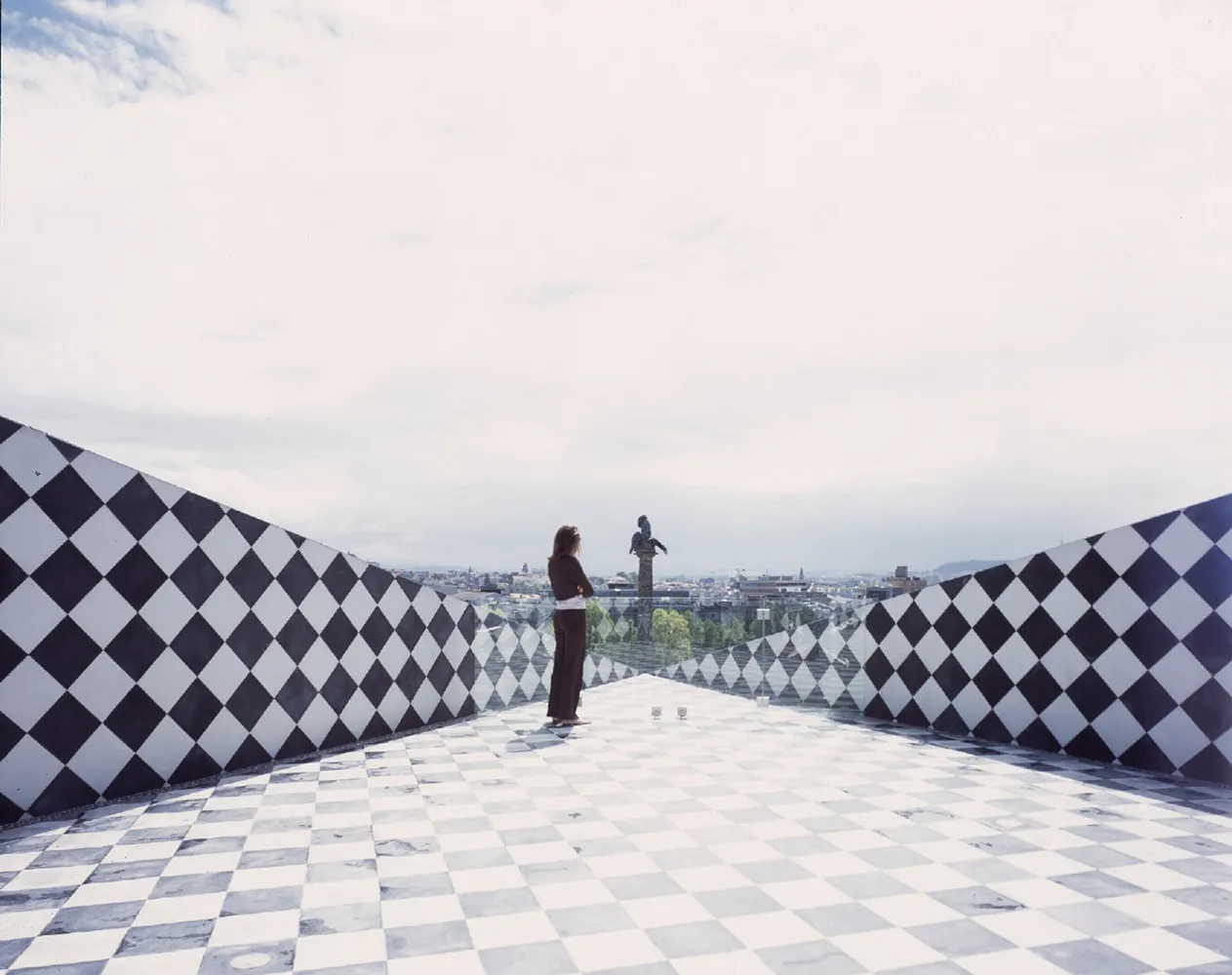
A polyhedron set down in the city. Form as provocation.The tile courtyard. Koolhaas bows to the Portuguese tradition.Work VII
Casa das Artes
Porto · Eduardo Souto de Moura
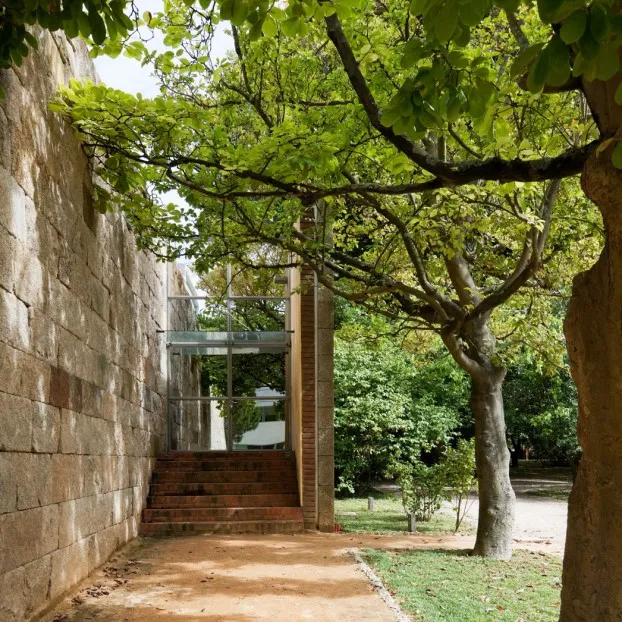
This project launched Eduardo Souto de Moura's career early on. It sits in the gardens of the Palacete do Visconde de Vilar d'Allen.
What fascinates me is the concept of space made in the negative. The building doesn't try to be an annex to the manor - it's an autonomous piece with its own identity. The mastery lies in its intimate dialogue with the garden and the materiality of brick and granite.
Visiting tip
Free access.
In the negative. The building becomes almost secondary to the garden.Work VIII
Bairro da Bouça
Porto · Álvaro Siza Vieira
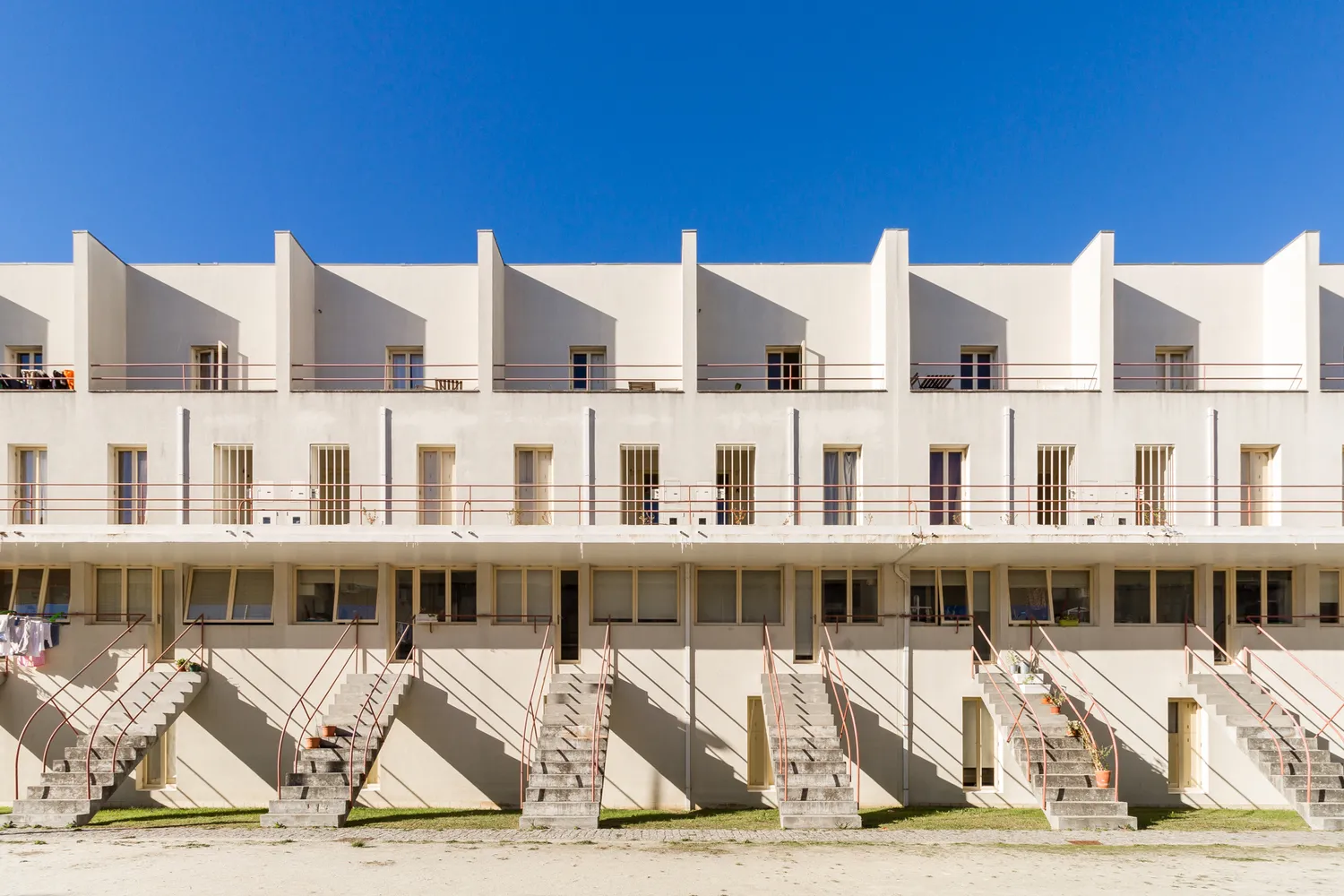
For me, this estate is an absolute statement of the right to the city. A collective housing project by Siza Vieira, between Rua da Boavista and Lapa metro, it works as a silent refuge from urban unrest.
The project had a troubled construction that only finished thirty years after it began. I appreciate the articulation of it's a lesson in urbanism that accommodates the lives of the people who live there.
Visiting tip
Respect residents' privacy.
Social housing as manifesto. Siza took thirty years to finish.Work IX
Mercado do Bolhão
Porto · Restoration completed in 2022
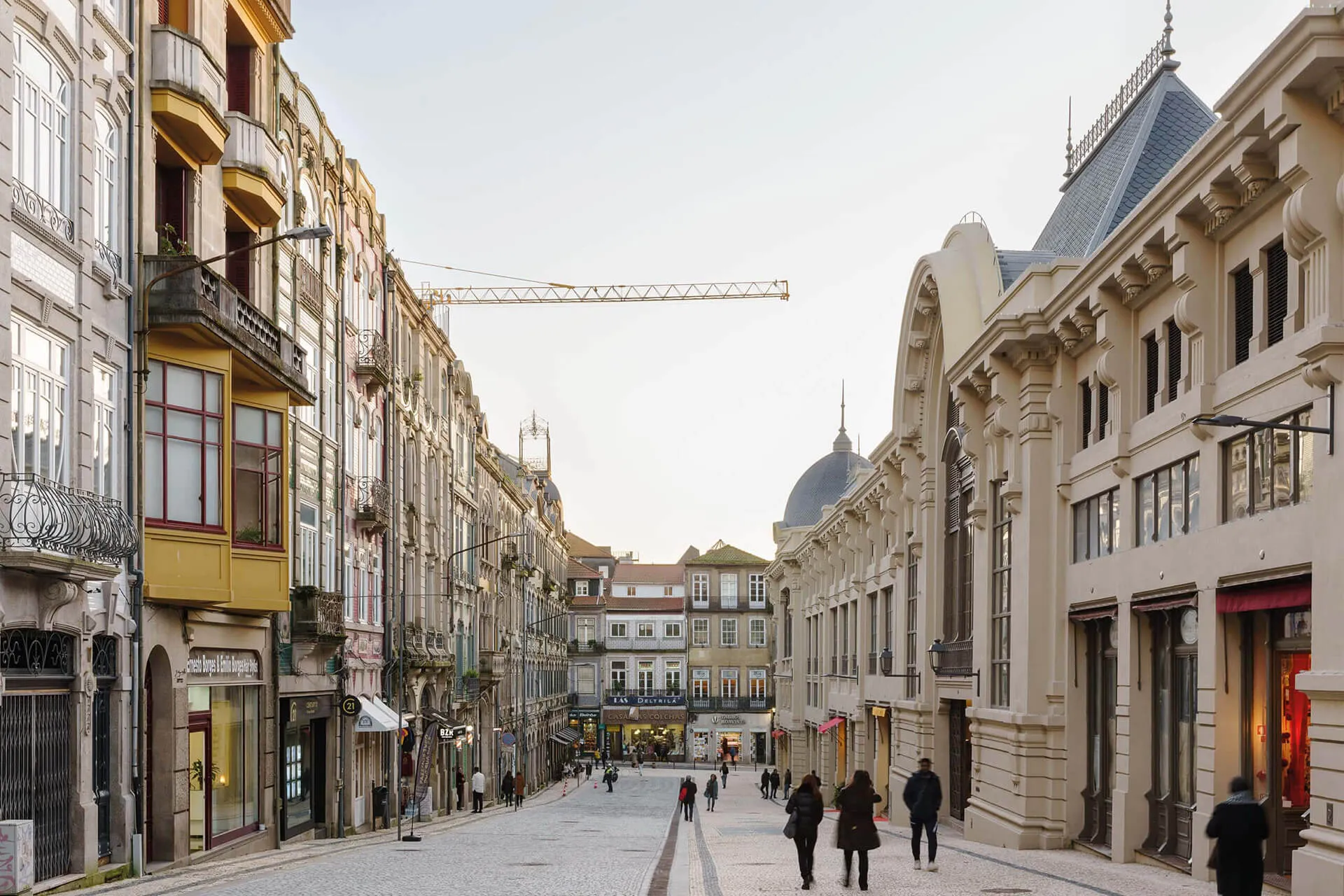
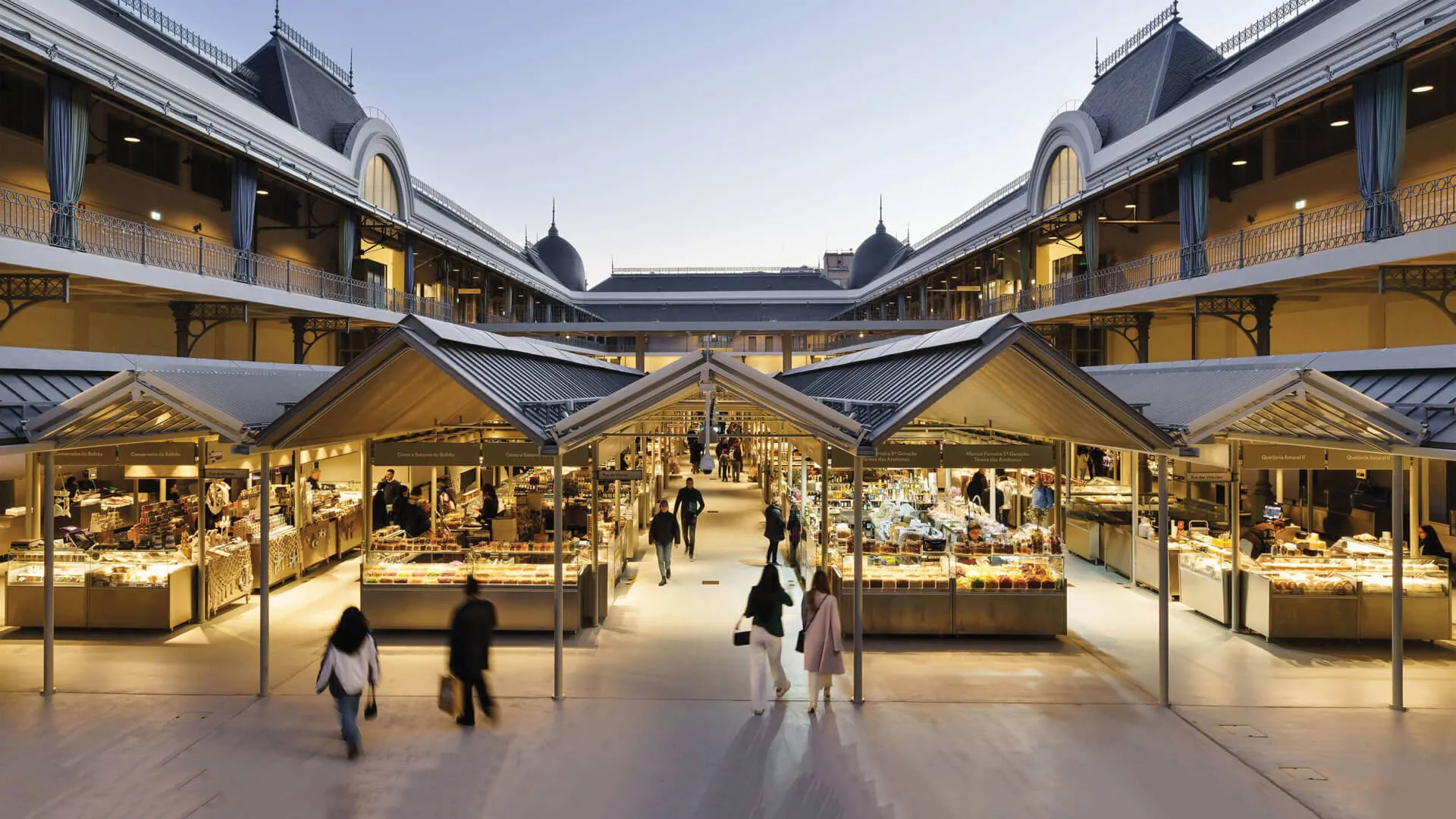
Since reopening in 2022, the Bolhão is once again the heart of the city. It's a place I hold close - before the restoration, drawing class at university meant hours spent here, sketching the movement inside.
The greatest challenge was preserving the memory without erasing it. I love how the visual identity merges with the traditional tiles, and how the corridors have names that evoke our essence: Saudade (longing), Alegria (joy), Encontro (meeting), Abraços (embraces).
Visiting tip
Free access.
The Beaux-Arts façade. Returned to the city with new life.Inside the Bolhão - preserving memory without erasing it.By
Mário Marques
Architect and SerpaHouses host. Porto is home. These are the buildings that keep me coming back.
Looking for somewhere to stay?
Our own homes in Gaia and Matosinhos. Close to the buildings you’ve just discovered.